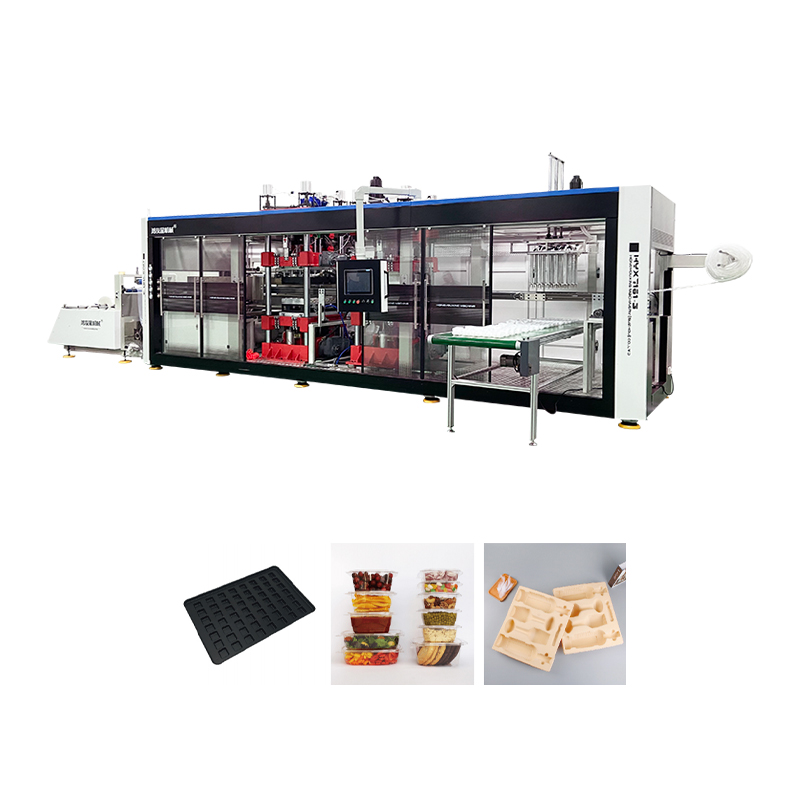
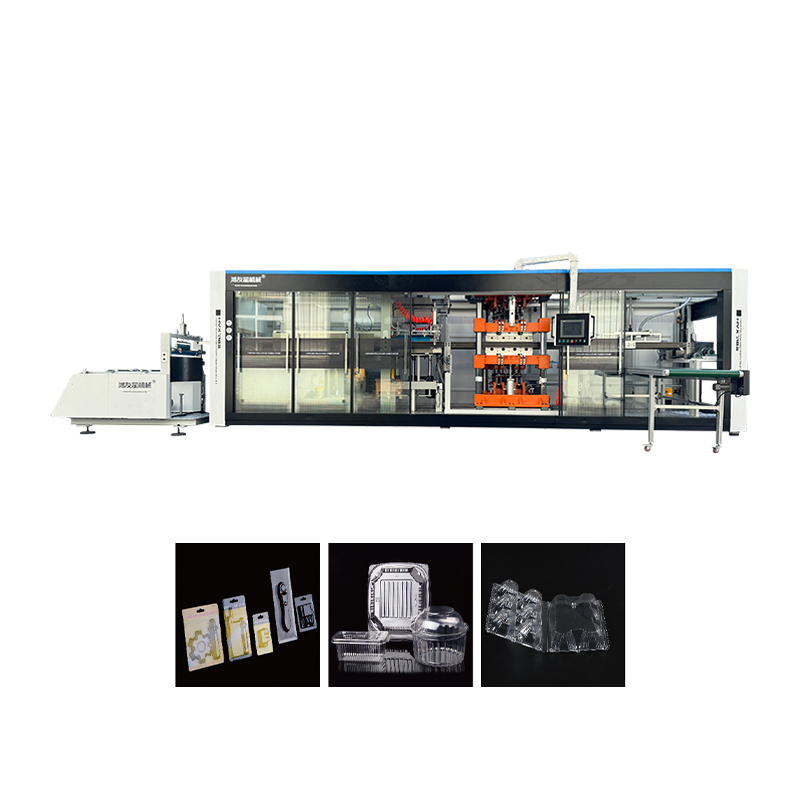
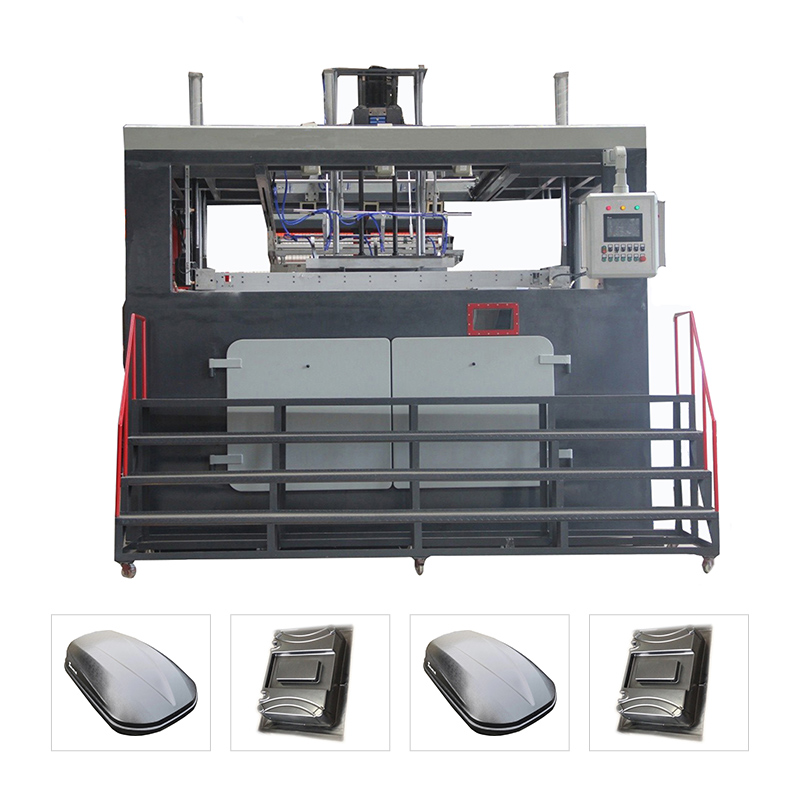
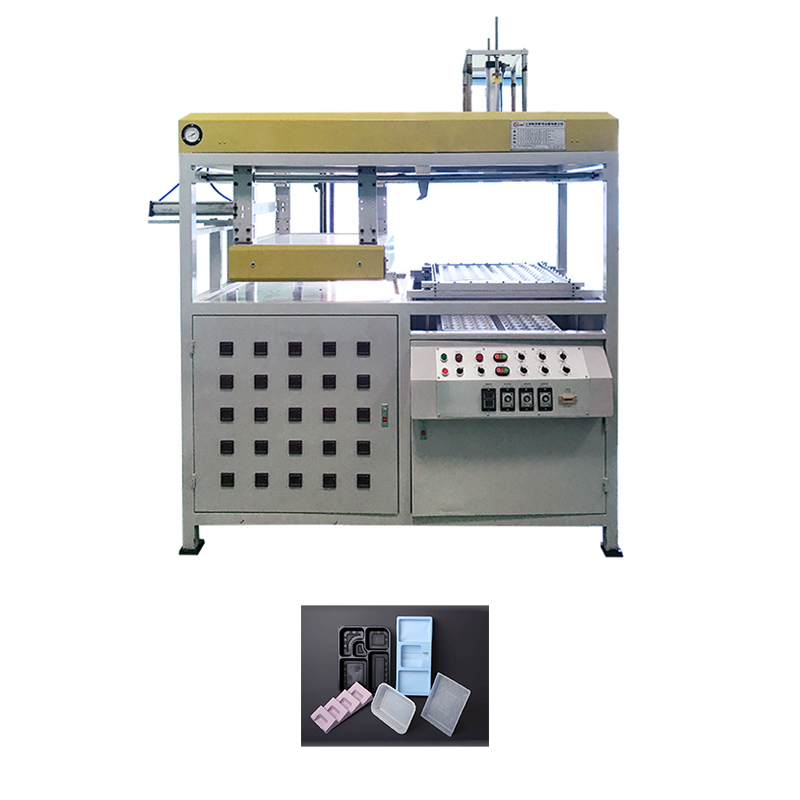
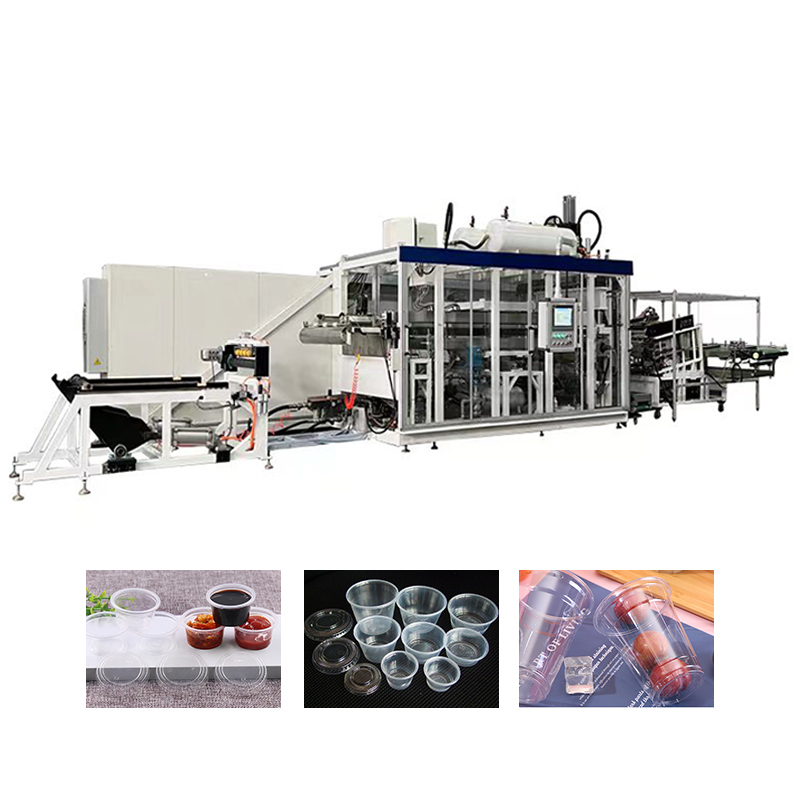
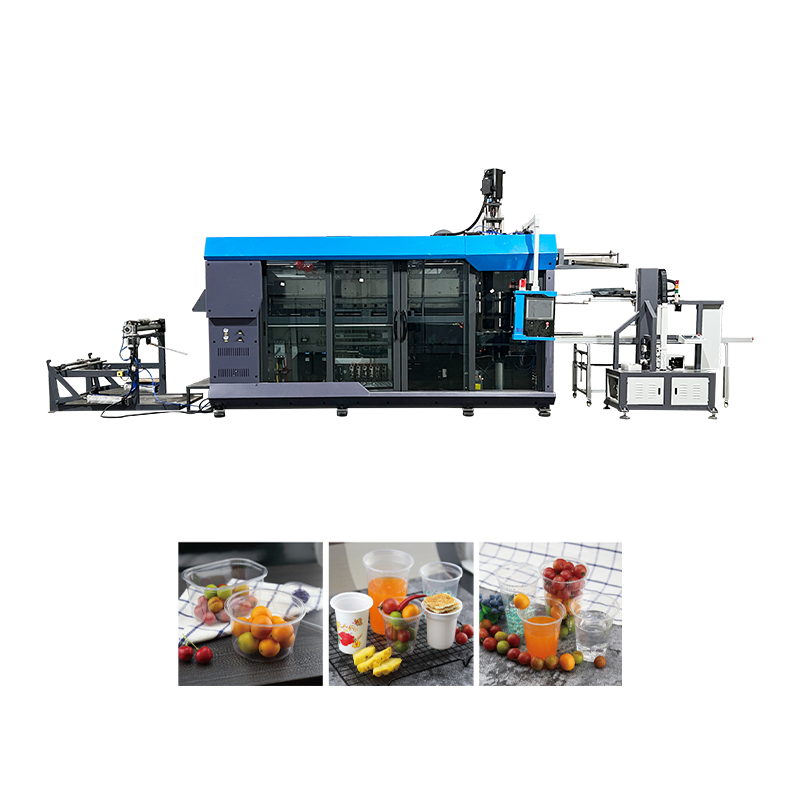
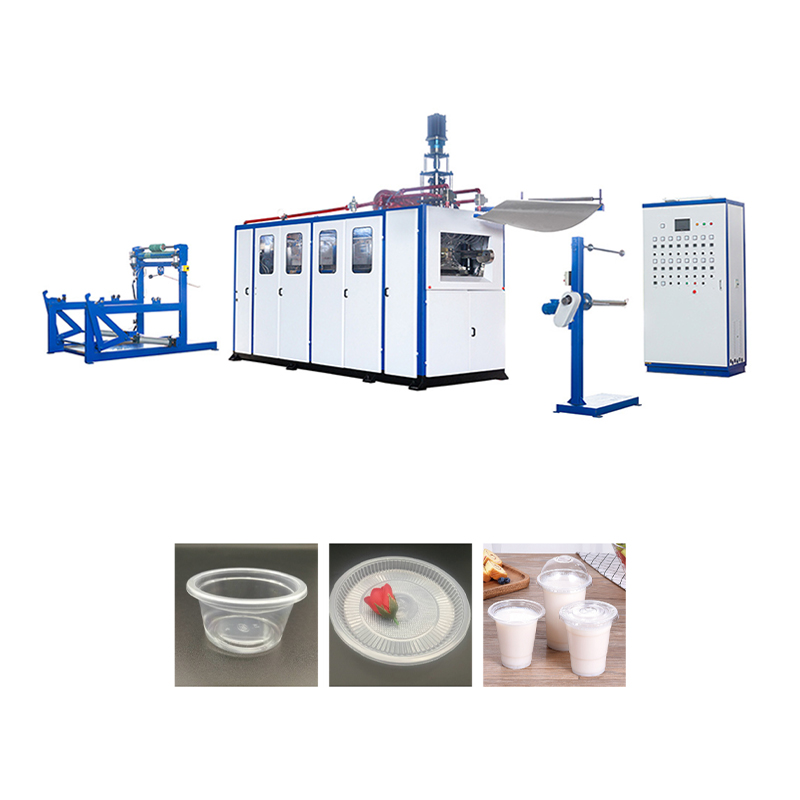
30 Years of Development History in the Thermoforming Industry
Four Generations of Technological Evolution in 30 Years
Before the 1990s: Manual / semi-automatic vacuum forming machines with resistance wire heating.
1990s-2000s: Fully automatic PLC-controlled blister machines with infrared zone heating.
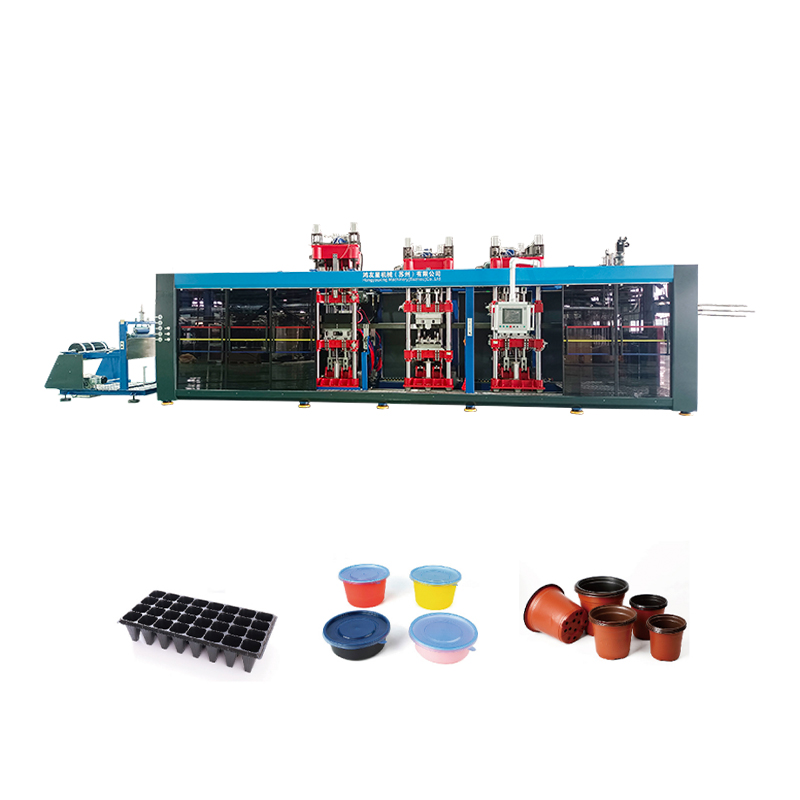
2010s: Intelligent servo-driven multi-station thermoforming machines with closed-loop feedback, operating at 30-45 cycles/minute.
2020s to Present: Digital Industry 4.0, AI-optimized station machines/cup machines, operating at 50 cycles/minute.
Application Landscape
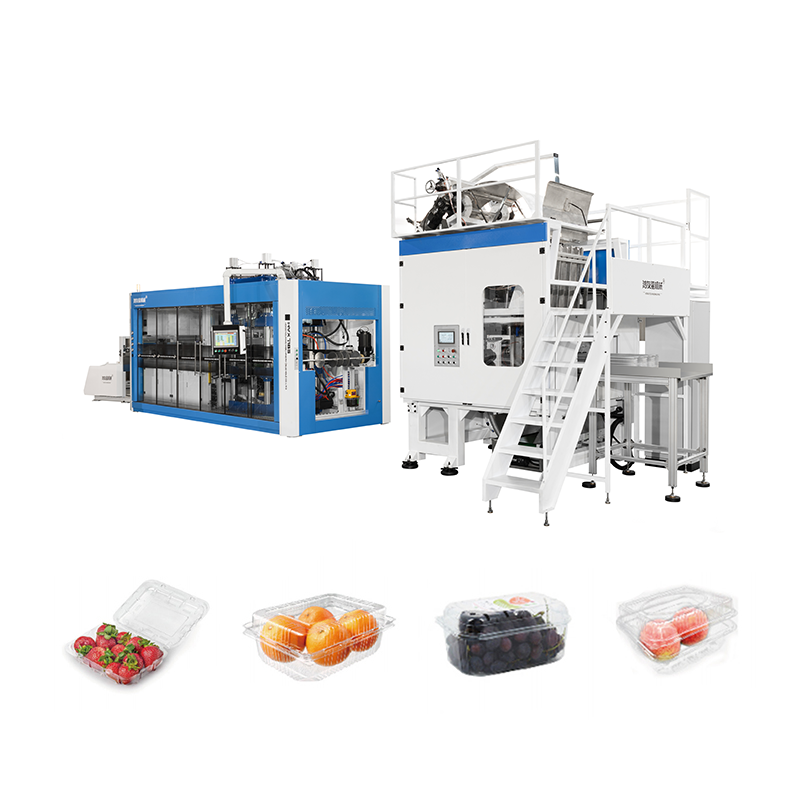
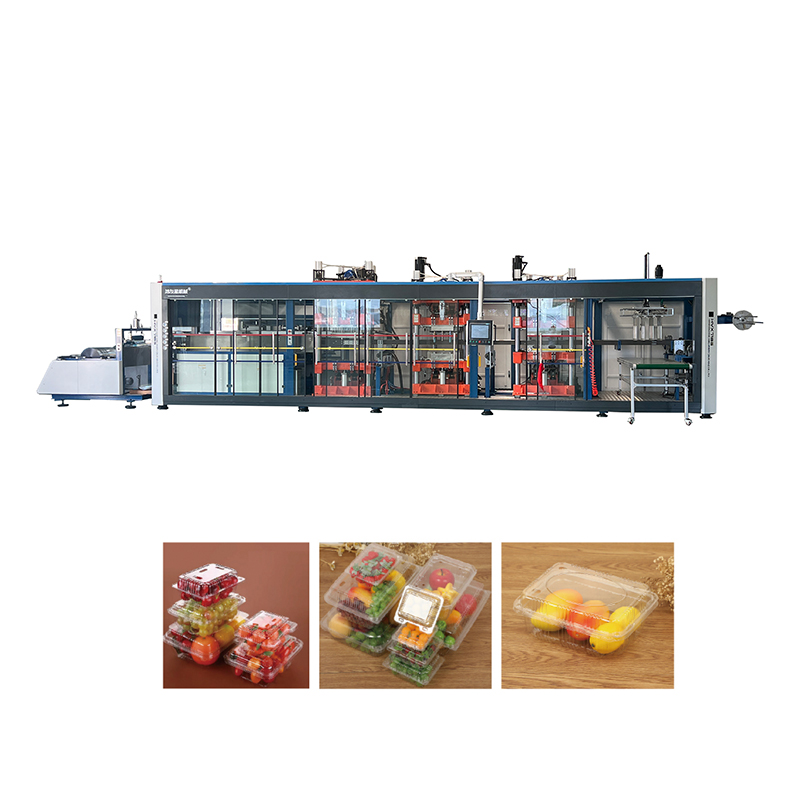
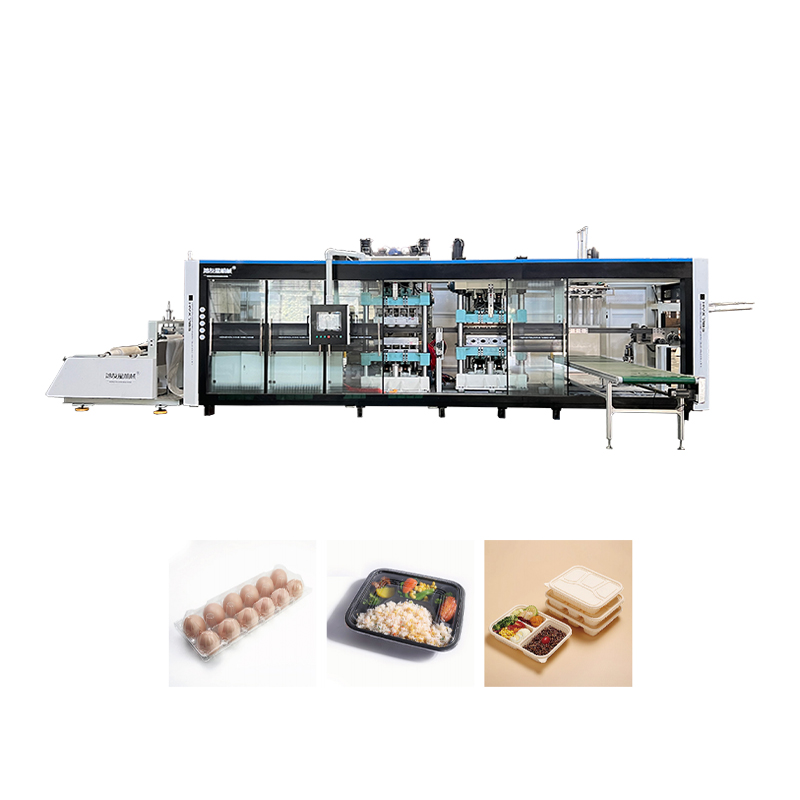
Food Packaging (45%): The largest application area, driven by the dual forces of the delivery economy and fresh tray preservation.
Medical & Healthcare (15-25%): Blister packaging and sterile trays, characterized by high added value and strict compliance requirements.
Automotive Industry (12%): Driven by lightweight trends, achieving a 30-50% weight reduction compared to metals.
Competitive Landscape
Global CR3 = 31.4%: Amcor leads with a 14.6% market share, closely followed by Berry Global and Sonoco.
China Market: Relatively fragmented, led by Zhejiang Zhongcheng (9.2%) and Tongchan Lixing (7.6%), with a domestic localization rate of about 65%.
Core Trends
EU PPWR Regulation Enforcement: Mandatory implementation starting August 2026, making environmental transition a core competitiveness.
rPET Material Share: rPET accounts for 63% of recycled materials, reducing carbon emissions by 45-70%, with eco-friendly products enjoying a 12-18% price premium.
Three Major Upgrade Directions: Intelligence, energy conservation/consumption reduction, and single-material solutions.


 +86 18621972598
  +86 186 2197 2598
  [email protected]
 No. 565、Xinchuan Road、Xinta Community、Lili Town、Wujiang District、Suzhou City、China